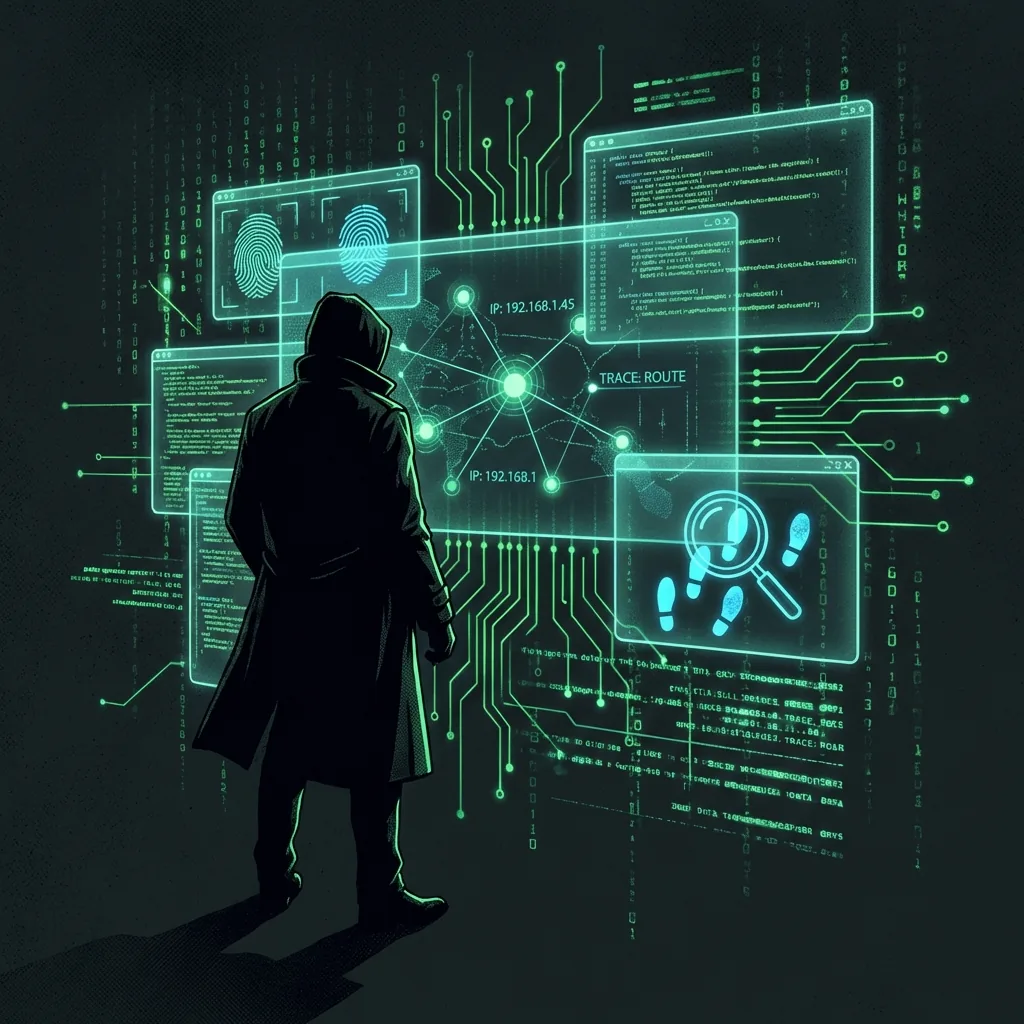
When you're trying to verify if an online person is real or track down a scammer,professional investigators have access to tools and techniques far beyond what's available to the public. This article pulls back the curtain on our digital forensics process.
Understanding these methods helps you appreciate what's possible—and why professional investigation often succeeds where personal efforts fail.
Image Analysis
Photos are often the first clue and reveal more than people realize.
Reverse Image Search
We use multiple search engines (Google, TinEye, Yandex, Baidu) simultaneously to find where images appear online. Scammers often reuse photos across multiple profiles.
EXIF Data Extraction
Photos contain hidden metadata: camera type, date taken, and sometimes GPS coordinates. This can reveal the true origin of an image, not just where it was uploaded.
Deepfake Detection
AI-powered tools analyze video calls and photos for signs of manipulation. We can detect synthetic media that the human eye might miss.
Facial Recognition
Comparing faces across platforms to find the real person behind stolen photos, or to confirm identity matches across different accounts.
Communication Analysis
How someone communicates reveals more than they think:
- Pattern recognition: Scammers often use scripts. We compare messages against known scam templates and identify copy-paste patterns
- Linguistic analysis: Writing style, vocabulary, and grammar patterns can indicate origin, education level, and even specific individuals
- Time zone analysis: Message timing reveals actual location, often contradicting claims about where they live
- Phone number tracing: Identifying carrier, registration location, and VoIP vs. real phone lines
- Email header analysis: Tracing the true origin of emails through server headers that most people don't know exist
Database Access
Professional investigators have access to resources unavailable to the public:
- People search databases: Comprehensive records linking names, addresses, phone numbers, relatives, and associates
- Criminal records: National and international criminal history searches across multiple jurisdictions
- Known scammer databases: Private repositories of reported scammer information shared among investigators
- Financial investigation tools: Tracing money movements, bank accounts, and cryptocurrency transactions
- Court records: Marriage, divorce, bankruptcy, lawsuits, and other legal filings
Digital Fingerprinting
Every online interaction leaves traces:
IP Address Tracking
Identifying geographic location behind internet activity when possible, and detecting VPN usage that might indicate deception.
Device Fingerprinting
Browser and device characteristics create unique identifiers that can link activity across different accounts and platforms.
Cryptocurrency Tracing
Following blockchain transactions to identify wallets and exchanges. Despite myths, crypto is not anonymous—it's highly traceable.
The Investigation Process
- Evidence Collection: Gather all available information from you
- Identity Analysis: Verify if the persona is real or fabricated
- Pattern Matching: Compare against known scam operations
- Deep Investigation: Use advanced tools based on initial findings
- Report Generation: Compile findings into clear documentation
Most cases are resolved within 24-72 hours. Complex investigations involving international actors or cryptocurrency tracing may take longer but typically yield results within 1-2 weeks.
"The investigation found things I never would have discovered on my own. They traced the photos to a completely different person, found other victims of the same scammer, and gave me the evidence I needed for my police report."
Social Media Investigation
Scammers leave digital footprints across platforms:
Cross-Platform Correlation
Finding connected accounts across different networks using usernames, email addresses, phone numbers, and friend networks.
Historical Data
Using archives (Wayback Machine, cached pages) to see deleted content, previous versions of profiles, and past activity patterns.
Connection Mapping
Analyzing friend networks, mutual connections, and interaction patterns to build a profile of their real social circle vs. fake accounts.