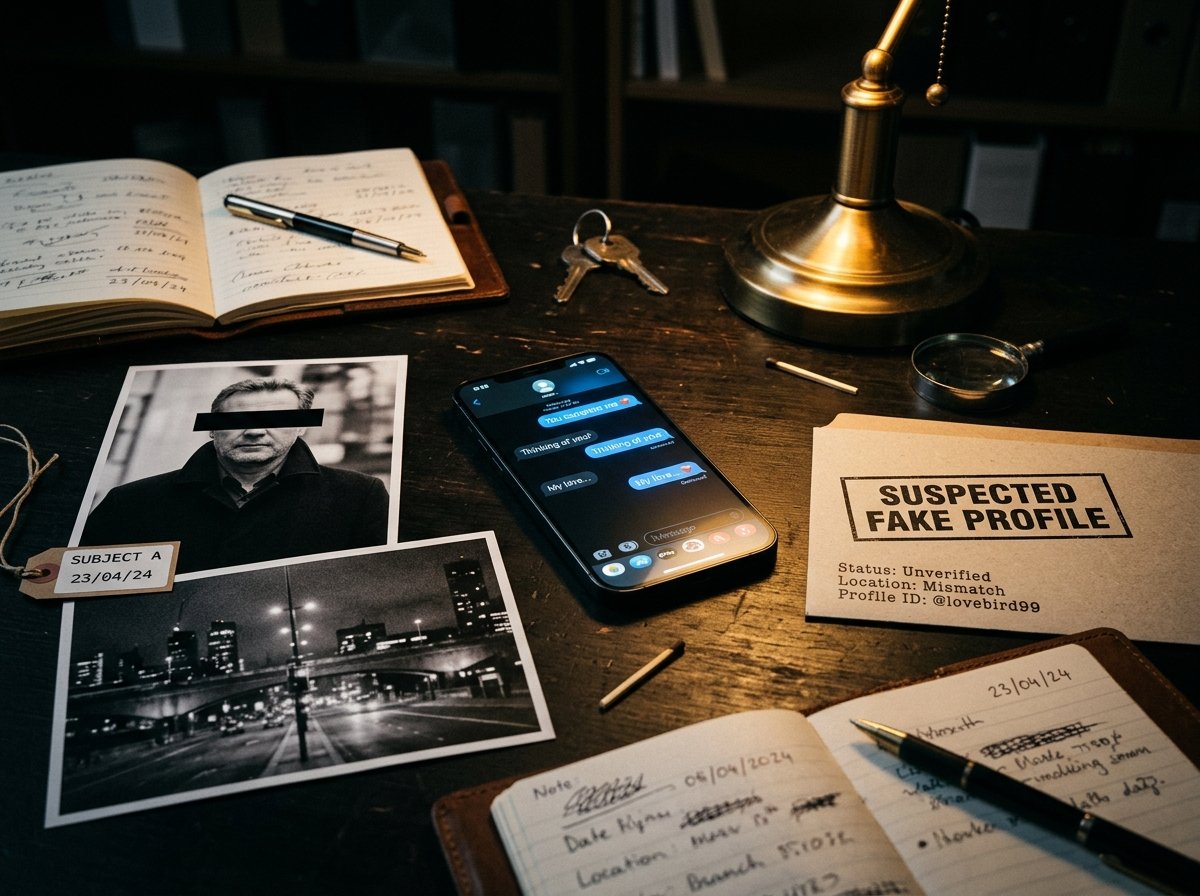
Romance scams have become one of the fastest-growing types of fraud, with victims losing billions of dollars annually. These sophisticated criminals create fake identities, build emotional connections, and manipulate victims into sending money for emergencies that don't exist.
At CLUE, we've investigated thousands of romance scam cases. We've seen every tactic, every excuse, and every manipulation technique these criminals use. This guide shares the most reliable warning signs we look for—the same indicators our professional investigators use.
Romance Scam Statistics
Before diving into the warning signs, understanding the scale of this problem helps illustrate why vigilance is so critical:
The real numbers are likely much higher—many victims never report due to embarrassment. These aren't just statistics; each number represents real people whose lives were devastated by professional con artists.
10 Warning Signs of a Romance Scam
1. They Profess Love Extremely Quickly
Scammers declare deep love within days or weeks. Phrases like "I've never felt this way before" or "You're my soulmate" before they've even video chatted with you is a major red flag. Real relationships take time to develop—manufactured ones are rushed.
2. They're Working Overseas or in the Military
Oil rig workers, deployed soldiers, doctors with international organizations, engineers abroad—these professions provide convenient excuses for why they can't meet or video call. It also sets up future "emergency" money requests.
3. They Consistently Avoid Video Calls
In 2026, video calling is free and available everywhere. Excuses like "broken camera," "slow internet," or "military security restrictions" are almost always lies. A person who truly loves you would find a way to show their face.
4. Their Photos Look Too Perfect
Scammers steal photos from models, influencers, or stock photo websites. If every photo looks professionally shot with perfect lighting and poses, be suspicious. Real people take casual, imperfect photos too.
5. Their Stories Don't Add Up
Pay attention to details. Scammers running multiple targets often forget what they've told you. Contradictions about family, work history, location, or other details are major warning signs. Keep notes if you're suspicious.
6. They Want to Leave the Dating App Immediately
Scammers push to move conversation to WhatsApp, Telegram, or email within the first few messages. Dating platforms have fraud detection systems— criminals want to escape that oversight quickly.
7. They Eventually Ask for Money
The ultimate goal. Requests start small and escalate—medical emergency, plane ticket, business deal gone wrong, customs fees for packages, or crypto investments. Someone who truly loves you will never ask for money before meeting you in person.
8. They Get Defensive When Questioned
Ask reasonable questions and watch the reaction. Guilt-tripping ("Don't you trust me?"), anger, or emotional manipulation when you ask for proof or suggest meeting in person are classic manipulation tactics.
9. They Have an Elaborate Sob Story
Dead spouse, sick child, orphaned background—these tragic stories create sympathy and make you want to help. They're specifically designed to manipulate your emotions and set up future requests for financial help.
10. Your Gut Tells You Something Is Wrong
Trust your instincts. Many victims report having a nagging feeling that something wasn't right but ignored it because they wanted the relationship to be real. If something feels off, it probably is.
Why Romance Scams Work
Romance scammers aren't just random criminals—they're skilled psychological manipulators. Understanding their tactics helps you recognize and resist them:
Love Bombing
Overwhelming you with attention, compliments, and declarations of love creates an intense emotional high. This manufactured "connection" happens faster than real relationships, making you feel special and lowering your defenses.
Isolation
Scammers often discourage you from discussing the relationship with friends or family. They know outside perspectives might reveal red flags. "Our love is special—others won't understand" is a manipulation tactic.
Intermittent Reinforcement
The cycle of intense affection followed by manufactured problems creates an addictive emotional pattern. You become invested in "saving" the relationship and helping them through their crises.
Sunk Cost Fallacy
Once you've invested time and emotion (and possibly money), it becomes harder to accept you've been deceived. Scammers exploit this—the more you've given, the more likely you are to give more.
How to Protect Yourself
Reverse Image Search Their Photos
Use Google Images, TinEye, or Yandex to check if their photos appear elsewhere online. If the same photos show different names or appear on stock photo sites, you're dealing with a fake profile.
Insist on Video Calls
A live video call is the quickest verification. Ask them to wave or make a specific gesture to ensure it's not pre-recorded. Endless excuses for avoiding video are a dealbreaker.
Verify Their Claims
Check LinkedIn for their job, look up their company, verify military service through official channels. Real details can be confirmed—fake ones fall apart under scrutiny.
Never Send Money
No matter the emergency, no matter the excuse, never send money to someone you haven't met in person. This is the single most important rule. No exceptions.
Talk to Someone You Trust
Share details with a friend or family member. Outside perspective often reveals red flags that are hard to see when you're emotionally involved. If they can't meet your friends, ask yourself why.
What To Do Next
If you've recognized multiple warning signs in your online relationship, here are your options:
If You're Still Unsure
- Stop all financial transactions immediately
- Request a video call with a specific gesture as proof
- Do a reverse image search on their photos
- Search their name and details online
- Share the situation with someone you trust
If You've Already Sent Money
- Stop all communication
- Contact your bank immediately
- Report to the FTC at reportfraud.ftc.gov
- File a report with IC3 (FBI's Internet Crime Complaint Center)
- Consider professional investigation for evidence gathering
"I knew something was off, but I didn't want to believe it. Getting professional verification saved me from losing everything. The investigator found the same photos used in 12 different scam profiles."